


A dual expanding plug valve is a crucial component in various industrial applications, known for its ability to provide a reliable double block and bleed (DBB) function. As a supplier of dual expanding plug valves, I understand the importance of ensuring their smooth operation to maintain the efficiency and safety of industrial processes. In this blog, I will share some key strategies and best practices to guarantee the seamless performance of these valves.
1. Proper Installation
The first step in ensuring the smooth operation of a dual expanding plug valve is proper installation. Incorrect installation can lead to leaks, premature wear, and even valve failure. Here are some essential installation guidelines:
- Location Selection: Choose a suitable location for the valve installation. It should be easily accessible for maintenance and inspection, away from sources of excessive vibration or mechanical stress. The valve should also be installed in a position that allows for proper drainage to prevent the accumulation of fluids.
- Alignment: Ensure that the valve is properly aligned with the pipeline. Misalignment can cause uneven stress on the valve components, leading to leaks and reduced sealing performance. Use alignment tools and follow the manufacturer's instructions to achieve accurate alignment.
- Flange Connection: When connecting the valve to the pipeline using flanges, make sure the flanges are clean and free of debris. Use the correct gasket material and torque the bolts to the specified values. Over - or under - tightening the bolts can result in leaks or damage to the valve.
2. Regular Maintenance
Regular maintenance is essential for the long - term smooth operation of a dual expanding plug valve. Here are some maintenance tasks that should be performed:
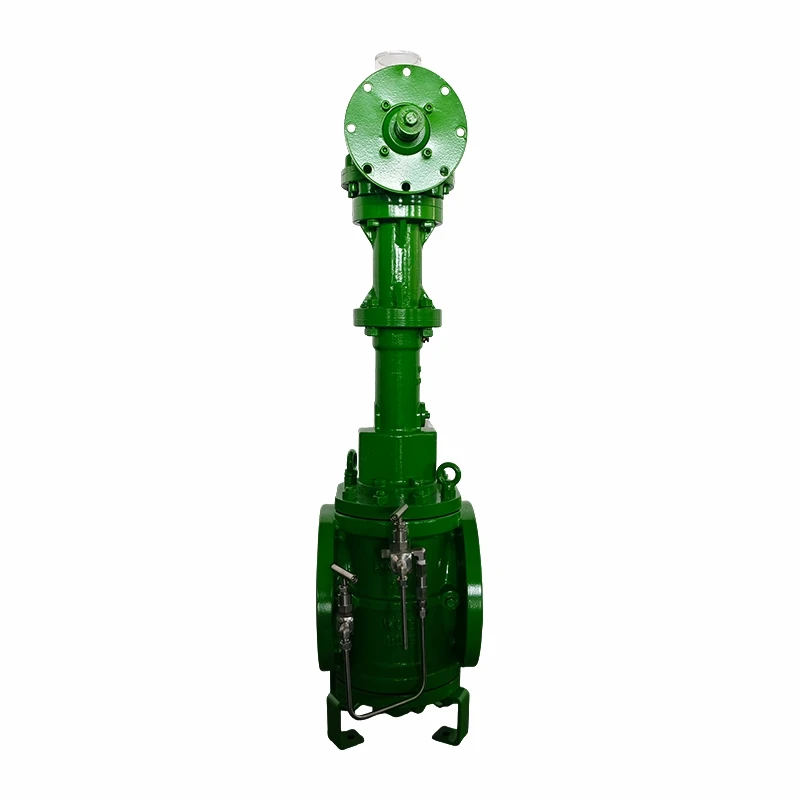

- Lubrication: The moving parts of the valve, such as the plug and the stem, need to be lubricated regularly. Lubrication reduces friction, prevents wear, and ensures smooth operation. Use a high - quality lubricant recommended by the valve manufacturer and follow the recommended lubrication intervals.
- Inspection: Conduct regular inspections of the valve to check for signs of wear, corrosion, or damage. Inspect the sealing surfaces, the body of the valve, and the actuator (if applicable). Look for leaks, cracks, or any other visible defects. Early detection of problems can prevent more serious issues from developing.
- Cleaning: Keep the valve clean to prevent the accumulation of dirt, debris, and contaminants. Clean the valve body, the plug, and the seats regularly. Use appropriate cleaning agents and follow the manufacturer's cleaning instructions to avoid damaging the valve components.
3. Correct Operation
Proper operation of the dual expanding plug valve is also crucial for its smooth performance. Here are some operating guidelines:
- Opening and Closing Procedures: Follow the correct opening and closing procedures specified by the manufacturer. Do not force the valve to open or close, as this can damage the valve components. Use the appropriate operating tools, such as a handwheel or an actuator, and operate the valve slowly and steadily.
- Pressure and Temperature Limits: Ensure that the valve is operated within its specified pressure and temperature limits. Exceeding these limits can cause the valve to malfunction, leading to leaks or other safety hazards. Monitor the pressure and temperature of the system regularly and take appropriate measures if the limits are approached.
- Avoiding Water Hammer: Water hammer can cause significant damage to the valve and the pipeline system. To avoid water hammer, open and close the valve slowly, especially in systems with high - velocity fluid flow. Install surge suppressors or other water - hammer prevention devices if necessary.
4. Training and Education
Providing proper training and education to the operators and maintenance personnel is essential for the smooth operation of the dual expanding plug valve. Here's why:
- Operator Training: Operators should be trained on the correct operation of the valve, including the opening and closing procedures, pressure and temperature limits, and how to recognize and respond to potential problems. Training should also cover safety procedures to ensure the well - being of the operators.
- Maintenance Training: Maintenance personnel should receive training on the proper maintenance procedures for the valve, such as lubrication, inspection, and cleaning. They should also be trained on how to troubleshoot common problems and perform minor repairs.
5. Quality Components and Spare Parts
Using high - quality components and spare parts is crucial for the reliable operation of the dual expanding plug valve. Here's what you need to consider:
- Original Manufacturer Parts: Whenever possible, use original manufacturer parts for replacement. These parts are designed to fit the valve precisely and meet the manufacturer's quality standards. Using non - original parts can lead to compatibility issues and reduced performance.
- Quality Assurance: Ensure that the components and spare parts are sourced from reputable suppliers. Check for quality certifications and test reports to ensure the reliability of the parts.
6. Monitoring and Control
Implementing a monitoring and control system can help ensure the smooth operation of the dual expanding plug valve. Here are some monitoring and control measures:
- Flow and Pressure Monitoring: Install flow and pressure sensors to monitor the performance of the valve and the pipeline system. Monitor the flow rate, pressure, and temperature of the fluid passing through the valve. Any significant changes in these parameters can indicate a problem with the valve.
- Remote Monitoring: Consider using remote monitoring systems to monitor the valve's performance in real - time. Remote monitoring allows for early detection of problems and enables timely maintenance and repair.
7. Compatibility with the Process Fluid
The dual expanding plug valve should be compatible with the process fluid to ensure its smooth operation. Here are some factors to consider:
- Material Selection: Choose the valve materials based on the properties of the process fluid, such as its chemical composition, temperature, and pressure. For example, if the fluid is corrosive, use corrosion - resistant materials for the valve body, plug, and seats.
- Sealing Material Compatibility: Ensure that the sealing materials are compatible with the process fluid. Incompatible sealing materials can cause swelling, hardening, or degradation, leading to leaks.
As a supplier of Dual Expanding Plug Valve, we offer a wide range of high - quality valves, including API DBB Plug Valve and DBB Plug Valve with Electric Actuator. If you are looking for reliable dual expanding plug valves or need more information on how to ensure their smooth operation, please feel free to contact us for procurement and further discussions.
References
- Valve Handbook, 4th Edition, by J. S. T. Lovick
- Industrial Valves: Selection and Sizing, by R. W. Miller
- API Standards for Valves and Fittings


